
The Future of ML in Biology: CRISPR for Health and Climate
Jennifer Doudna
2023 Invited Talk
Abstract
Jennifer A. Doudna, Innovative Genomics Institute, Howard Hughes Medical Institute and University of California Berkeley & UCSF/Gladstone Institutes Machine learning will have profound impacts on biological research in ways that are just beginning to be imagined. The intersection of ML and CRISPR provides exciting examples of the opportunities and challenges in fields ranging from healthcare to climate change. CRISPR-Cas programmable proteins can edit specific DNA sequences in cells and organisms, generating new biological insights as well as approved therapeutics and improved crops. I will discuss how ML may accelerate and perhaps fundamentally alter our use of CRISPR genome editing in both humans and microbes.
Speaker
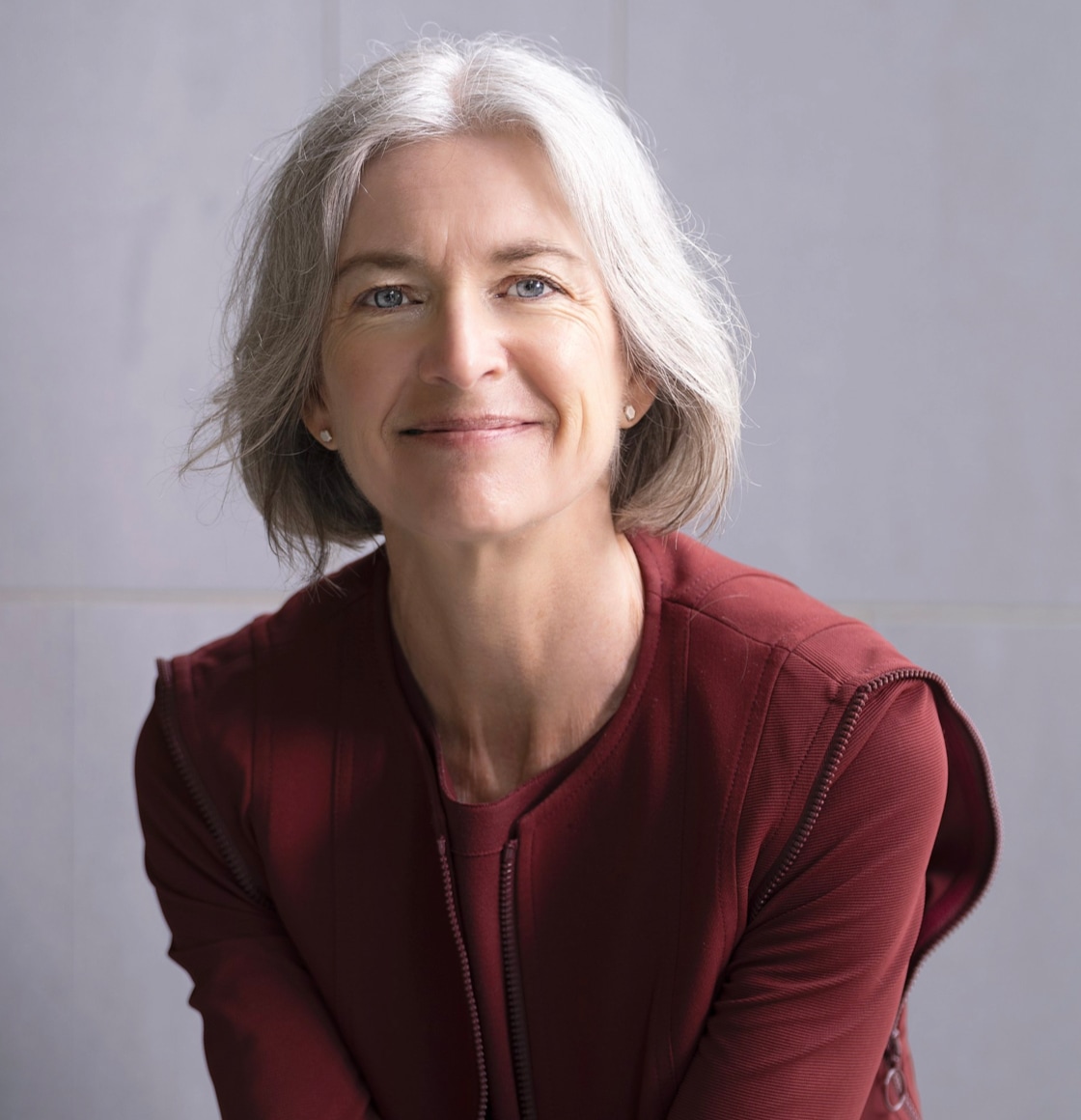
Jennifer Doudna
Jennifer Doudna, PhD is a biochemist at the University of California, Berkeley. Her groundbreaking development of CRISPR-Cas9 — a genome engineering technology that allows researchers to edit DNA — with collaborator Emmanuelle Charpentier earned the two the 2020 Nobel Prize in Chemistry and forever changed the course of human and agricultural genomics research. She is also the Founder of the Innovative Genomics Institute, the Li Ka Shing chancellor’s chair in Biomedical and Health Sciences, and a member of the Howard Hughes Medical Institute, Lawrence Berkeley National Lab, Gladstone Institutes, the National Academy of Sciences, and the American Academy of Arts and Sciences. She is a leader in the global public debate on the responsible use of CRISPR and has co-founded and serves on the advisory panel of several companies that use the technology in unique ways. Doudna is the co-author of “A Crack in Creation,” a personal account of her research and the societal and ethical implications of gene editing. Learn more at [innovativegenomics.org/jennifer-doudna](https://innovativegenomics.org/jennifer-doudna).
Video
Chat is not available.
Successful Page Load